
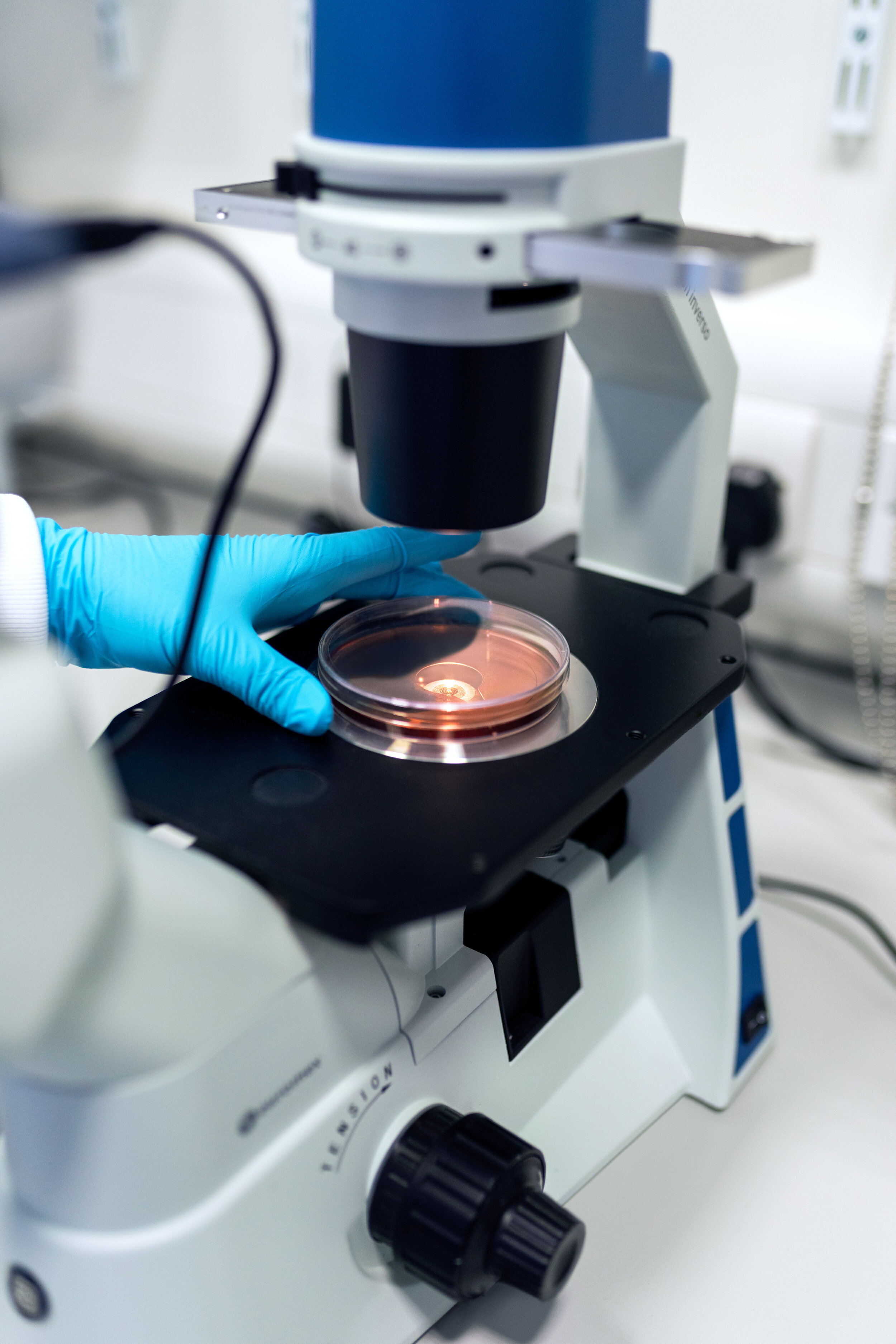
Industry and academia working together to develop novel bio-sensing technologies
IBST’s mission can be summarised as “Sensing for Biology and Biology for Sensing”. IBST develops sensors for biological testing in the sectors of healthcare, agriculture and food technology, and uses biological principles to develop novel sensors for environmental, security and engineering applications.
Contact us
News

Southwest NHS and UWE launch the Centre for Digital Excellence website
Leading the evolution of digital healthcare. At CoDE - Centre for Digital Health Excellence - it's about driving transformative innovation at the intersection of technology and clinical practice — reshaping the future of patient care. As a dynamic collaborative learning health system, CoDE brings together healthcare providers, tech innovators, academia, and industry to fuel continuous learning, breakthrough thinking, and real-world impact.
Learn about the work of CoDE
Events





UWE Bristol doctoral researcher Luigi Moretti is developing a new digital tool to help people with anxiety disorders. Luigi is harnessing wearable technology for his service MEMoPAD which provides an app that draws on data produced by smartwatch sensors to monitor episodes of anxiety. Click here to find out more about the research and MEMoPAD.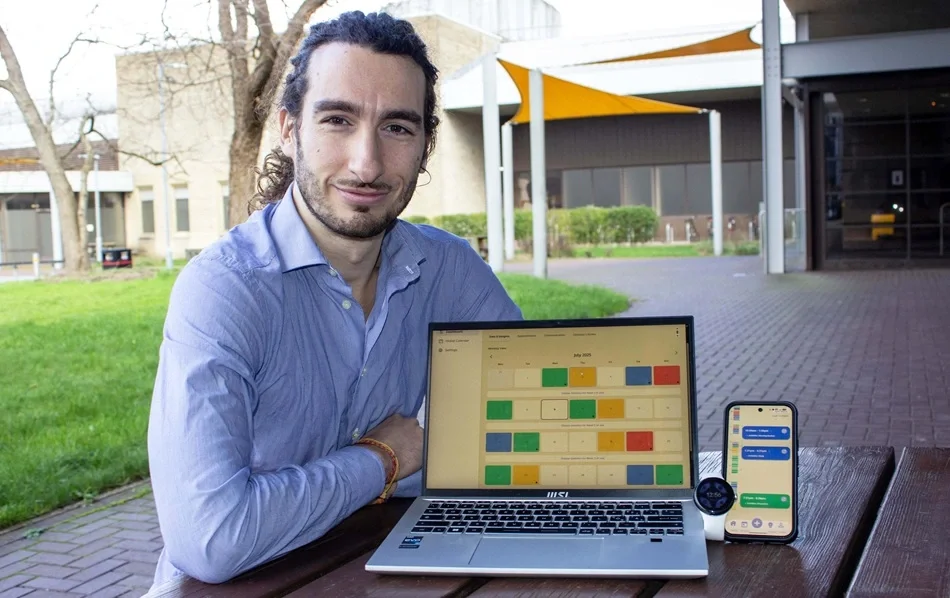

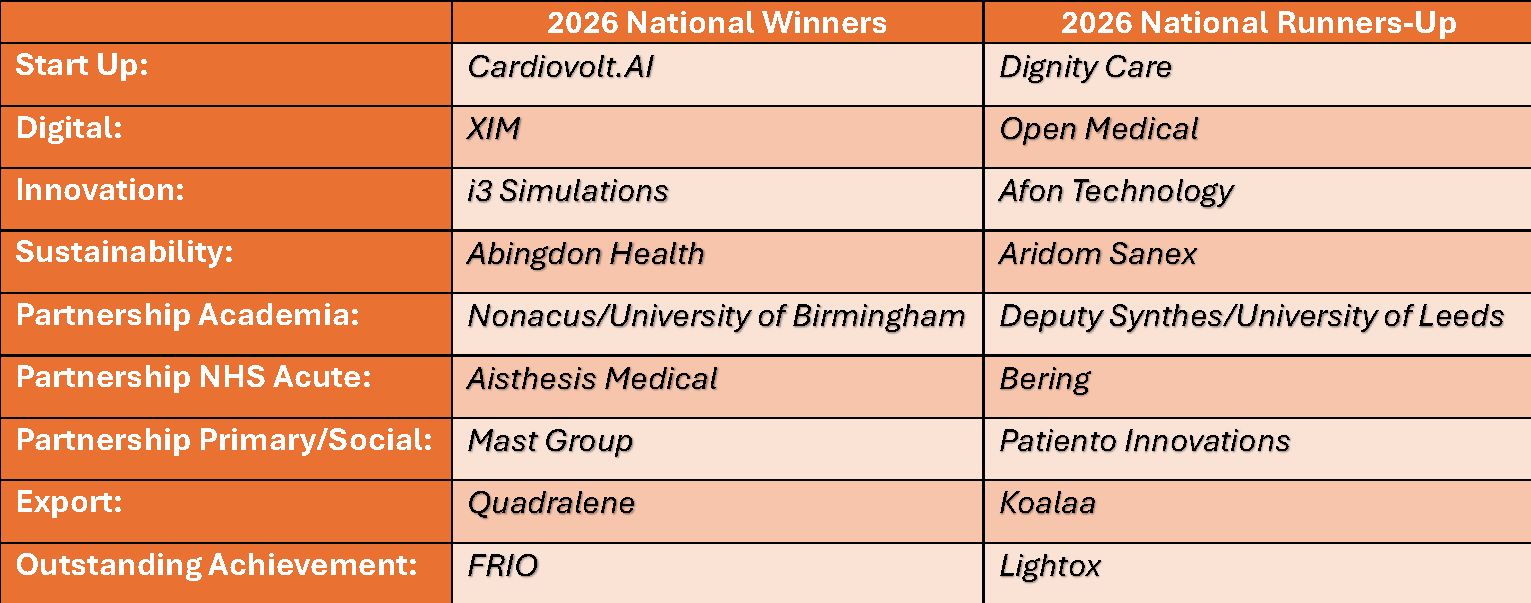
Medilink UK National Business Awards
9th July 2026 - London
Congratulations to all the National Winners and Runner-Ups


Collaborative working
IBST builds project teams from industry, the public sector and academia to address challenges brought to us by our industrial partners. We undertake research, and development, often developing prototype systems ready for commercialisation. We leverage our research not only by working with others and drawing on experience from past projects but by applying for funding to government agencies such as the Research Councils, Innovate UK, National Institute for Health Research (NIHR) and the European Community through European Regional Development Fund grants.